
Season 1 | Episode 5
When to Modernize, Costs, Codes, and Real-World Tradeoffs Explained
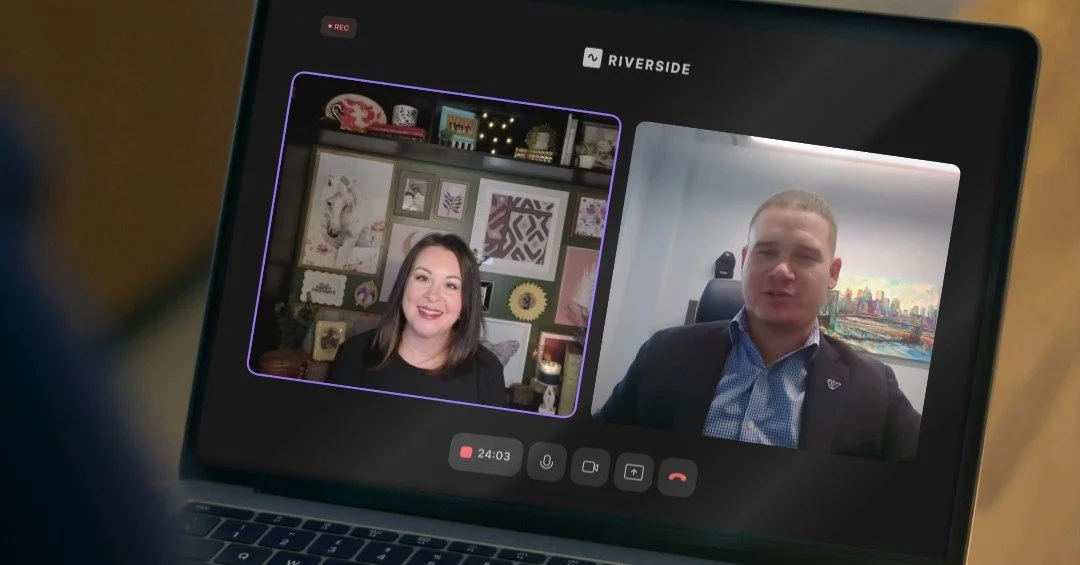
\Modernization is one of the biggest decisions a building owner will make about an elevator system. It affects safety, reliability, tenant experience, downtime, and long-term cost. In this episode of Let’s Talk Elevators, host Morgan Jones sits down with Ed Rivera, Senior Vice President at VDA Consultants, to break down how modernization decisions are really made and why timing matters more than most people realize.
Ed brings more than 17 years of experience across engineering, contracting, and consulting. He shares his path from intern to licensed professional engineer and now senior leadership at one of the largest consulting firms in the country. That perspective shapes the entire conversation. This episode is about practical decision-making, not sales pitches or blanket recommendations.
The discussion starts with the current modernization market and why activity has increased across North America. Aging equipment, stricter codes, obsolescence, and changes in building use are all driving owners to take a closer look at systems that may still be running, but no longer performing reliably. Ed explains how consultants evaluate equipment condition, code requirements, sustainability goals, and long-term serviceability before recommending any path forward.
A major focus of the episode is obsolescence. As electronic components, drives, controllers, and door systems become harder to source, owners face longer shutdowns and higher risk when failures occur. Ed explains how consultants identify which components are at risk and how proactive planning can prevent sudden, extended outages that leave buildings without service for weeks or months.
Morgan and Ed also explore common questions owners ask, including whether upgrades can be phased, which components can realistically be reused, and when piecemealing work creates more risk than value. The conversation covers machines versus controllers, ride quality improvements, door systems, motor drives, positioning systems, and how each piece affects the others.
Another key theme is cost versus downtime. Ed explains how owners often weigh capital spend against out-of-service duration, and why the least expensive option upfront is not always the most economical long-term. The episode also addresses situations where owners lack capital and how targeted repairs, audits, and maintenance strategies can extend equipment life responsibly.
Finally, the episode clarifies the role of an elevator consultant. From design and bidding to code interpretation and construction oversight, Ed explains how consultants act as unbiased advocates for building owners, helping them navigate complex technical decisions with confidence.
This episode is essential listening for building owners, property managers, consultants, and anyone involved in long-term elevator planning.